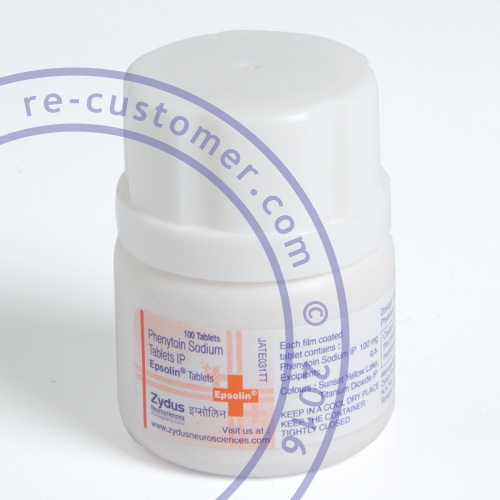
Dilantin is endowed with muscle relaxant, analgesic, antiarrhythmic, anticonvulsant action.
Anticonvulsant action is caused by the normalization of the membranes of neurons, synapses and axons, as well as limitation of the spread of seizure activity and excitement.
Phenytoin (an active ingredient) like other hydantoin anticonvulsants has a stimulating effect on the cerebellum activating the braking distances which are generalized on the cerebral cortex. This effect helps to reduce seizure activity associated with increased discharges in the cerebellum.
Antiarrhythmic effect associated with the membrane stabilizing activity of active drug directly into the cells of Purkinje fibers. The drug reduces the permeability of the cell membrane to calcium ions. Excitable membranes and abnormal ventricular automatism also are reduced.
In trigeminal neuralgia Dilantin increases the threshold of pain, and significantly reduces the duration of the attack, reducing the formation and excitation of repeated discharges. In motor disorders due to membrane stabilizing activity it weakens the repeated prolonged discharges directly in the nerve and muscle cells.
It has slow absorption when taken orally. Phenytoin enters the saliva, spinal fluid, bile, sperm, intestinal and gastric juice and is excreted in breast milk.
It is directly metabolized by the liver and excreted from the body as metabolites by the kidneys and intestines.
In what kind of disease treatmentDilantin is helpful?
The main indications are:
Ventricular arrhythmias (intoxication by tricyclic antidepressants or glycosides);
Trigeminal neuralgia (simultaneously with carbamazepine);
Epilepsy, treatment and prevention of epileptic status directly with tonic-clonic seizures and epileptic neurosurgery.
What should I tell my health care provider before I takeGeneric Dilantin?
Physicians don't recommend its using in:
Sinus bradycardia;
Adams-Stokes syndrome;
Functional disorders of kidneys and liver;
Porphyria;
AV-block II and III degree;
Hypersensitivity;
Cachexia;
Heart failure;
Sinoatrial block;
Pregnancy;
Lactation period.
How should I take Dilantin?
It is taken orally with a glass of water.
Dosage information
For adults initial dose per day is 3-4 mg / kg. It can be gradually increased until the achieving optimal therapeutic effect.
Normally take 200-500 mg at one time or more.
For children it is usually prescribed 5 mg / kg per day in 2 doses with a further increase of the dose but not more than 300 mg per day. Supporting daily dose is 4-8 mg / kg.
What may interact with Dilantin?
When you use Phenytoin simultaneously with certain drugs you can observe:
Changes of therapeutic effect with drugs: Vitamin D, rifampicin, oral contraceptives, doxycycline, furosemide, dicumarol, estrogens, glucocorticoids, antifungals;
Rickets and osteomalacia can manifest with acetazolamide;
Probably increased inhibitory effects on the CNS with drugs affecting the central nervous system depressingly;
Is possible increase of concentration of Phenytoin in the blood plasma: trazodone, sulfinpyrazone, succinimides, estrogens, isoniazid, sulfonamides, tolbutamide, methylphenidate, halothane, salicylates, fluoxetine, chloramphenicol, blockers of histamine H1-receptor, chlordiazepoxide, metronidazole, dicumarol, omeprazole, antifungals , amiodarone;
With anticancer drugs, phenothiazine derivatives (thioridazine, prochlorperazine, chlorpromazine), phenobarbital;
Your doctor can tell you a complete list of drugs.
What should I watch for while taking Dilantin?
Has the ability to penetrate through the placenta and concentration of the active substance in the plasma of maternal blood is similar to concentration in fetal plasma. Plasma protein binding is 90% or more.
In epilepsy sudden discontinuation of treatment in some cases can lead to the development of withdrawal syndrome that is why in such cases usually patients use anticonvulsants with non-hydantoin derivatives.
Phenytoin intensively metabolized in the liver therefore patients with impaired liver function or elderly people should correct dosing regimen.
In drug therapy, especially long-term, you need a diet that would fully satisfy your need of vitamin D, influence of UV radiation is also important.
In acute form of alcohol intoxication may increase the concentration of phenytoin in plasma and in chronic alcoholism it drops.
During therapy with Dilantin should be followed caution in driving and controlling mechanisms.
What side effects may I notice from Generic Dilantin?
Possible side effects:
CNS:
mood changes;
confusion;
ataxia;
dizziness;
trembling of the hands;
stuttering or slurred speech;
sleep disturbances;
ataxia;
muscle weakness;
transient nervousness;
peripheral neuropathy.
Digestive System:
constipation;
nausea;
vomiting;
liver injury;
gingival hyperplasia - typically occurs within six months of treatment and usually begins with gingivitis in patients younger than 23 years.
Others:
granulocytopenia;
megaloblastic anemia;
pancytopenia.
Endocrine:
extension of the tip of the nose;
coarsening of facial features;
hypertrichosis;
protrusion of the lower jaw;
thickening of the lips.
Metabolism:
hypocalcemia;
disorder of vitamin D metabolism;
due to the inhibition of insulin release - impaired glucose absorption.
Musculoskeletal system:
Dupuytren's contracture;
peripheral polyarthropathy;
rickets and osteomalacia.
Allergic reactions:
drug lymphadenopathy;
fever;
eosinophilia;
skin rash due to severe skin reactions.
Other:
Peyronie's disease.
Where can I keep Dilantin?
The drug Dilantin should be kept in a dry, dark and inaccessible for children place at a temperature of 5-30 ° C. Purchase generic Dilantin online after consultation with your doctor.
L’Aciclovir, également connu sous le nom d’acyclovir, est un médicament couramment prescrit pour traiter les infections virales causées par les virus de l’herpès, notamment l’herpès génital, les boutons de fièvre et le zona. Bien qu’il soit généralement considéré comme sûr et efficace, comme tout médicament, l’aciclovir peut entraîner des effets secondaires. Dans cet article, nous explorerons les effets secondaires courants et rares de l’aciclovir, ainsi que certaines précautions importantes à prendre en compte.